


Fire Fist Guides
How to Choose Boxing Gloves: What Actually Matters?
Beyond colour and first impressions, the right gloves depend on materials, construction, fit and how they perform through real training.
By Albion Leather · Published 21 September 2026

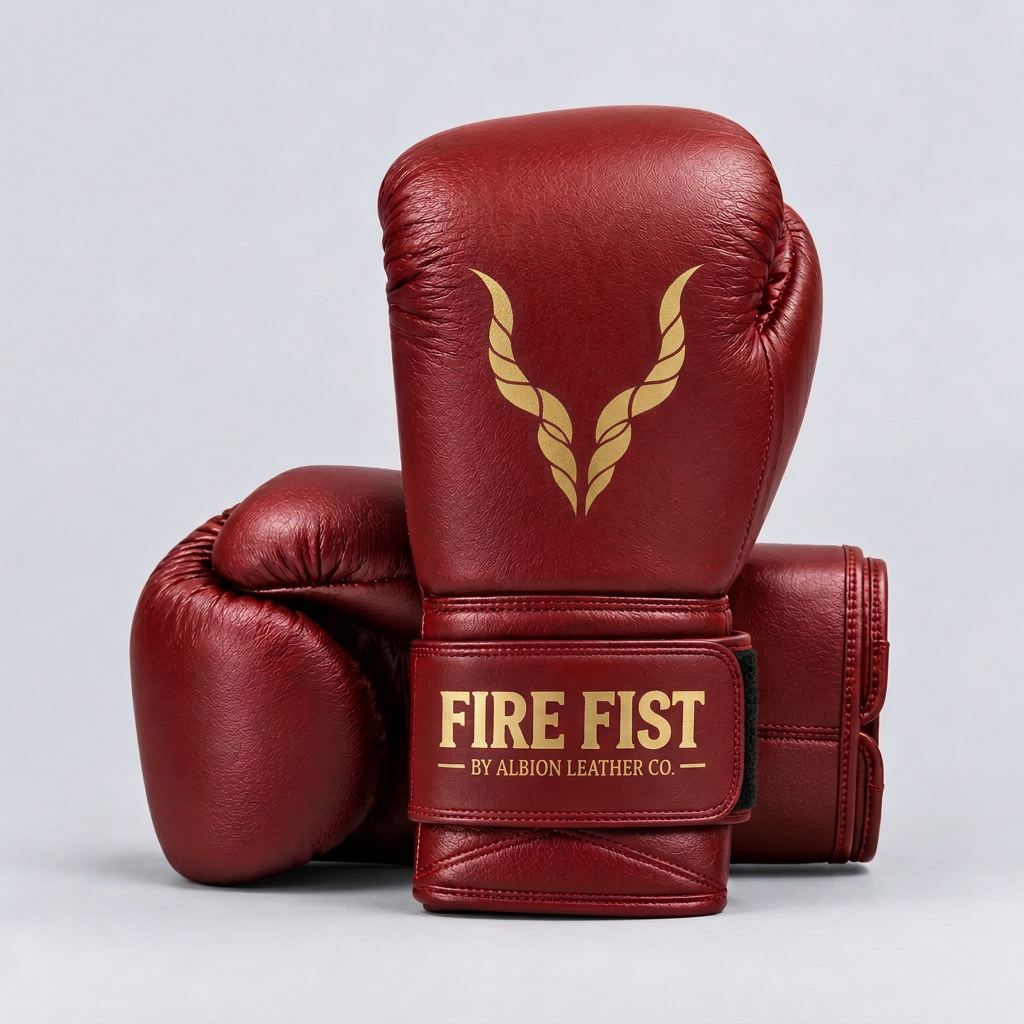
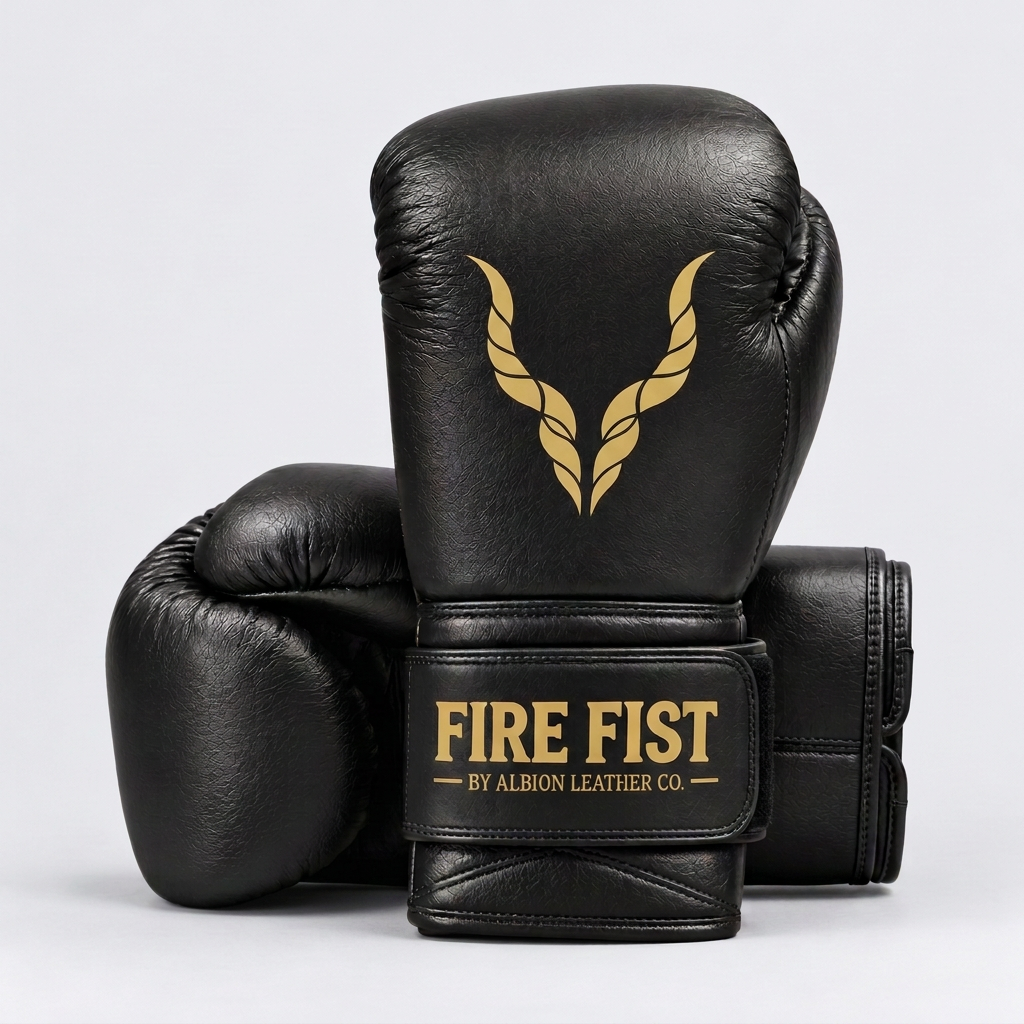
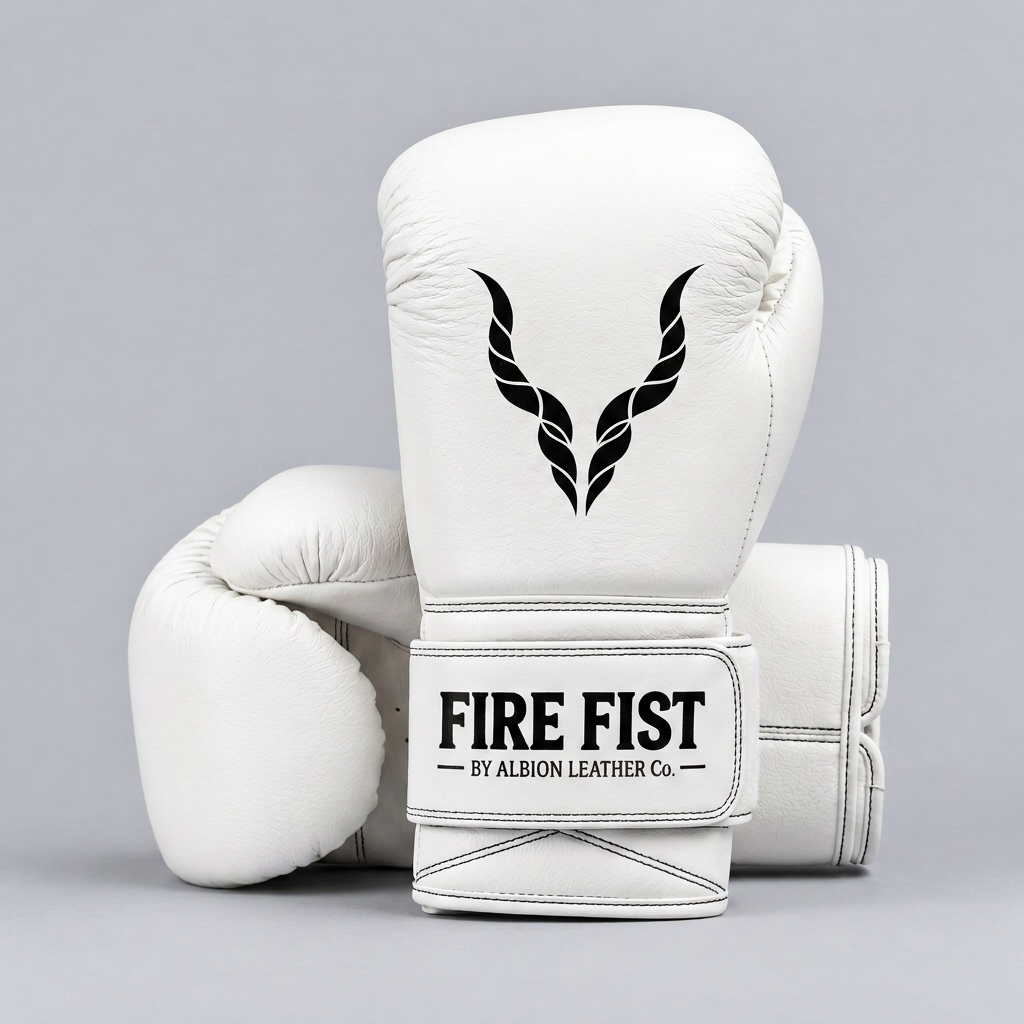
Boxing gloves make an immediate visual statement, but appearance should never be the only reason for choosing them. During training, gloves must cope with repeated impact, heat, movement and regular fastening. The quality of their leather, padding, fit and support becomes far more important after several rounds than it appears in a photograph. When comparing boxing gloves in the UK, begin with how they are built and tested, then consider colour and finish.
Why genuine cowhide leather matters
Leather boxing gloves are valued for their balance of strength, flexibility and character. Genuine cowhide leather can withstand demanding use when it is correctly selected, cut and stitched. It also tends to soften and shape with wear, helping a well-fitted glove feel more natural over time. Premium materials alone do not guarantee a good glove, but they provide a strong foundation for durability.
Cheaper entry-level gloves often use synthetic outer materials and simplified construction. They can be suitable for occasional beginner sessions, but regular trainees may notice earlier surface wear, compression or loss of shape. A premium boxing glove should be judged as a complete system: outer leather, internal lining, foam, seams and closure all need to work together.
Understand multi-layer foam padding
Padding shapes the feel of every punch. A single soft layer can feel comfortable at first but may compress inconsistently. Multi-layer foam allows designers to combine different densities, creating a more controlled structure around the hand. Fire Fist premium models use three-layer foam padding, developed to provide a considered balance of cushioning, response and shape retention for training.
Glove weight also influences the amount and distribution of padding. The right ounce choice depends on the intended training, the boxer’s size, coaching guidance and gym requirements. No glove removes all risk, and equipment choices should be discussed with a qualified coach, particularly for sparring or specialist training.
Fit and hand comfort come first
A glove should hold the hand securely without creating painful pressure points. There needs to be enough room for wraps, but not so much internal movement that the hand slides around. Pay attention to finger position, thumb alignment and how naturally the fist closes. A glove that looks impressive but forces the hand into an awkward position will become distracting during longer sessions.
Because hands differ, boxer feedback is essential. Designers can measure dimensions and specify materials, but only repeated use reveals whether the internal shape remains comfortable as the session progresses.
Ventilation makes training more comfortable
Boxing training generates considerable heat. A ventilated hand compartment helps air circulate and allows moisture to escape more readily during use. It does not eliminate the need to dry and care for gloves after training, but it can make sessions more comfortable and support better everyday maintenance. Gloves should always be opened after use and allowed to air thoroughly rather than being left sealed in a kit bag.
Look closely at wrist support
The wrist area should feel stable when fastened, without cutting into the arm or restricting movement unnecessarily. Structure around the cuff matters as much as the closure itself. Fire Fist uses foam padding and EVA sheets within its wrist-support construction, combining cushioning with a firmer reinforcing layer. The aim is a secure, consistent feel that remains comfortable through training.
Wrist support is not a medical guarantee and gloves cannot prevent every injury. Sound technique, suitable hand wraps, appropriate training intensity and qualified coaching remain important.
Construction quality is visible in the details
Inspect the seams around the palm, thumb, cuff and striking surface. Stitching should be consistent, with no loose ends or uneven sections. The outer panels should sit smoothly, and the internal lining should not bunch around the fingers. Handmade construction allows skilled makers to control shaping and finishing closely, but the result still needs rigorous inspection.
Good boxing training gloves should also feel balanced from one hand to the other. Differences in padding position or internal volume can become obvious once both gloves are worn. Quality control should therefore evaluate pairs, not simply individual pieces.
Why testing and boxer feedback matter
Fire Fist was not developed from a single attractive prototype. More than 15 sample batches were created and tested by boxers in the UK. Their feedback was used to refine padding, comfort, fit and wrist support from one version to the next. This test, refine and improve process revealed details that drawings and material specifications alone could not show.
The resulting premium models bring together genuine cowhide leather, three-layer foam padding, handmade construction, a ventilated hand compartment and wrist support using foam padding and EVA sheets. The development remains grounded in practical use rather than untested claims.
Choose for the training you actually do
Before buying premium boxing gloves in the UK, define their main purpose. Consider how often you train, whether the gloves are intended for bags, pads, general training or coach-approved sparring, and what weight your gym recommends. Then compare leather, padding structure, internal fit, ventilation, wrist construction and stitching. A considered choice should feel dependable throughout a session, not simply striking when first taken out of the box.